
The Ten Year Ditch
A normal life isn’t a loss. It’s a normal life.

I have a theory that for many people in the arts, the career goes off the rails after ten years, and then people go get the dreaded “day job”.
And then most of them just quit art.
So.
#1: I got started as a pro while still a kid. It exposed me to predatory people. I got robbed while I was young but had time to recover before Adulting made taking those hits harder.
Being an adult is more expensive than being a kid.
#2: I had no student debt. At the age most of my peers were getting out of college, looking for their first jobs, and tottering under the load of financial stress, I was already a pro with ten years under my belt and buying my first house. I never went into debt for school because A) scholarships and B) I only went when I had cash.
I refused to take out loans.
#3: I lasted long enough for my backlist to start paying the bills. Most people never last long enough for their page rates to go up or for their works to start making royalties. Work that I did when I was just starting out still pays now. So even when I was really sick and partially disabled, I still had some income. Most creative people never get over that financial hurdle from lousy pay to royalties. They never produce anything that makes royalties in the first place.
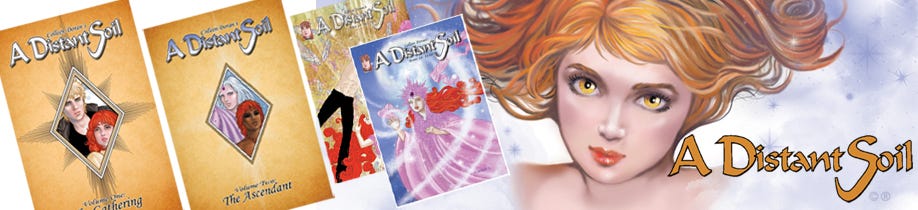
The Patreon and Substack is evidence of the backlist paying off: if I hadn’t worked for years to create value, no one would be supporting my future work.
#4: Many creative people rely on spousal support or second jobs to make ends meet. I never really did, except when starting out I lived with my parents and had summer jobs ( I was about 14-15, so whatever). As an adult, there was only 1 year I had to turn to family for help. The stressors of relying on others for aid makes for resentment when art begins to look like an expensive hobby and your loved ones encourage you to stop.
Art is expensive and so are families that have expensive needs. I never had this issue to any serious degree.
#5: Getting started as a pro while still a kid means getting a huge amount of work out there while you still have the stamina and focus many people lose in middle age. By middle age, you should be able to replace that stamina with skill, producing better work in a shorter period of time. Many people never get there.
#6: My art increased in value. When I started out, comic art wasn’t worth much -especially mine. My original SANDMAN pages went for $25 a piece. Now the same pages are worth thousands.
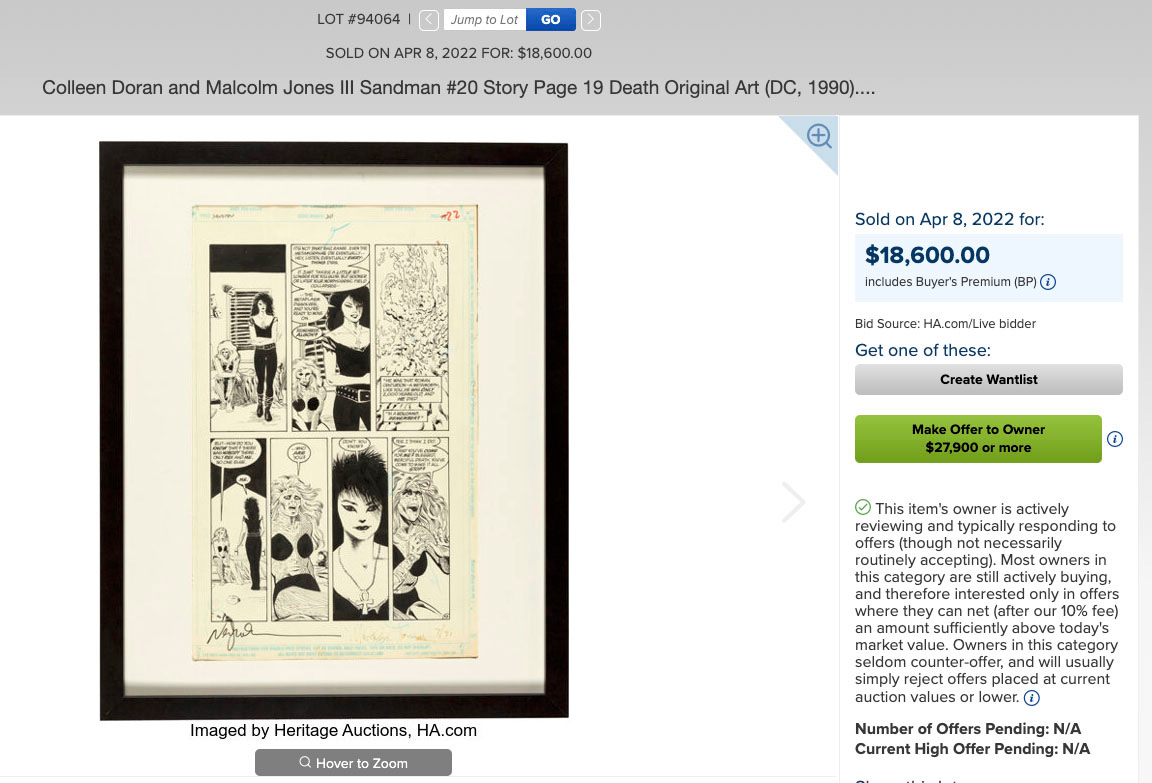
I wish I was getting some of that money, but I’m not. I don’t resent anyone who made money reselling that art! Good on ‘em. But because my old art is worth more money, when I produce new art, it is worth more money. If I do a con sketch now, it is worth more money (adjusted for inflation) than I used to get for a day of work on a comic book page in 1990.
I resented doing convention sketches for $25 because I could not make conventions pay at that price. Even adjusted for inflation, that’s about $75, and you have to sell a lot of those to make conventions costs and pay your living expenses. Now that I am well-paid for commissions, I not only enjoy doing them but I can afford the time to do a better job, which is win-win for everybody.
Anyone who says money doesn’t matter in the arts is lying through their teeth.
#7: You get out of art school when you’re about 22, and after ten years of struggle, you’re about 32. Middle age reality hits. Few people get past that hump.
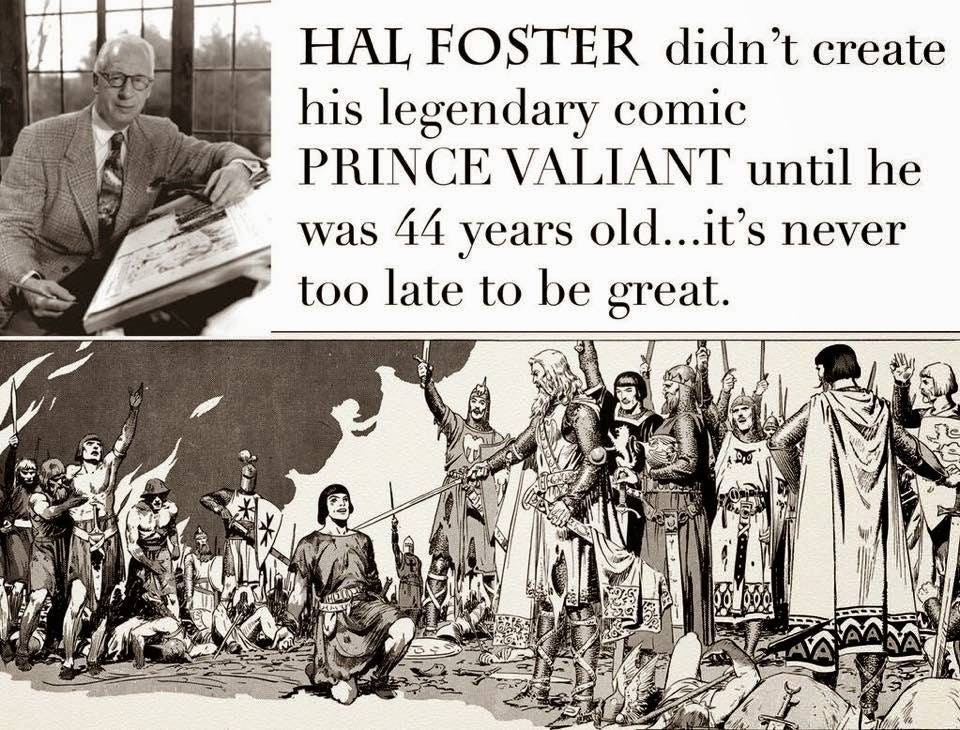
#8: There are lots of heartening memes about how many people didn’t hit their creative stride until late middle age and they are all true. I posted many of them.
Most people in this business don’t really hit their art peak until 40 or older because this is a job that requires a wide range of skills, and it take time and energy to learn those skills. You are much more likely to make it as a novelist after age 40 than you are to make it as a cartoonist.
Every success story is confirmation bias. What works for other people may not work for you. And the vast majority of people of ANY age who go into the arts do not find material success in the arts.
But this realization is harder on those who have spent tons of money on education and years of time invested on trying to make it.
So they give up.
#9: A friend of mine wrote that your physical expiration date is about age 50, because that’s when the parts start to wear out.
He’s not wrong.
Whenever I write something like this, someone else pops up to say “Well, if you just take care of yourself...” but again, that’s success bias. Taking care of yourself helps, but you can take care of yourself, and infirmity still hits you.
I used to run 40 miles a week and watched every morsel of food I ate.
This friend of mine spent his whole life taking great care of himself only to get hit by one medical issue after at age 50, and he’s in a daze about it.
No one likes to think they wear out just sitting there drawing a comic book, but you do. The eyes go, the back goes, the hands go, the elbow goes. Once the sight and fine motor control are gone, that’s all she wrote.
#10: Year after year after year of seeing other people get attention and reward for their work while you don’t is draining.
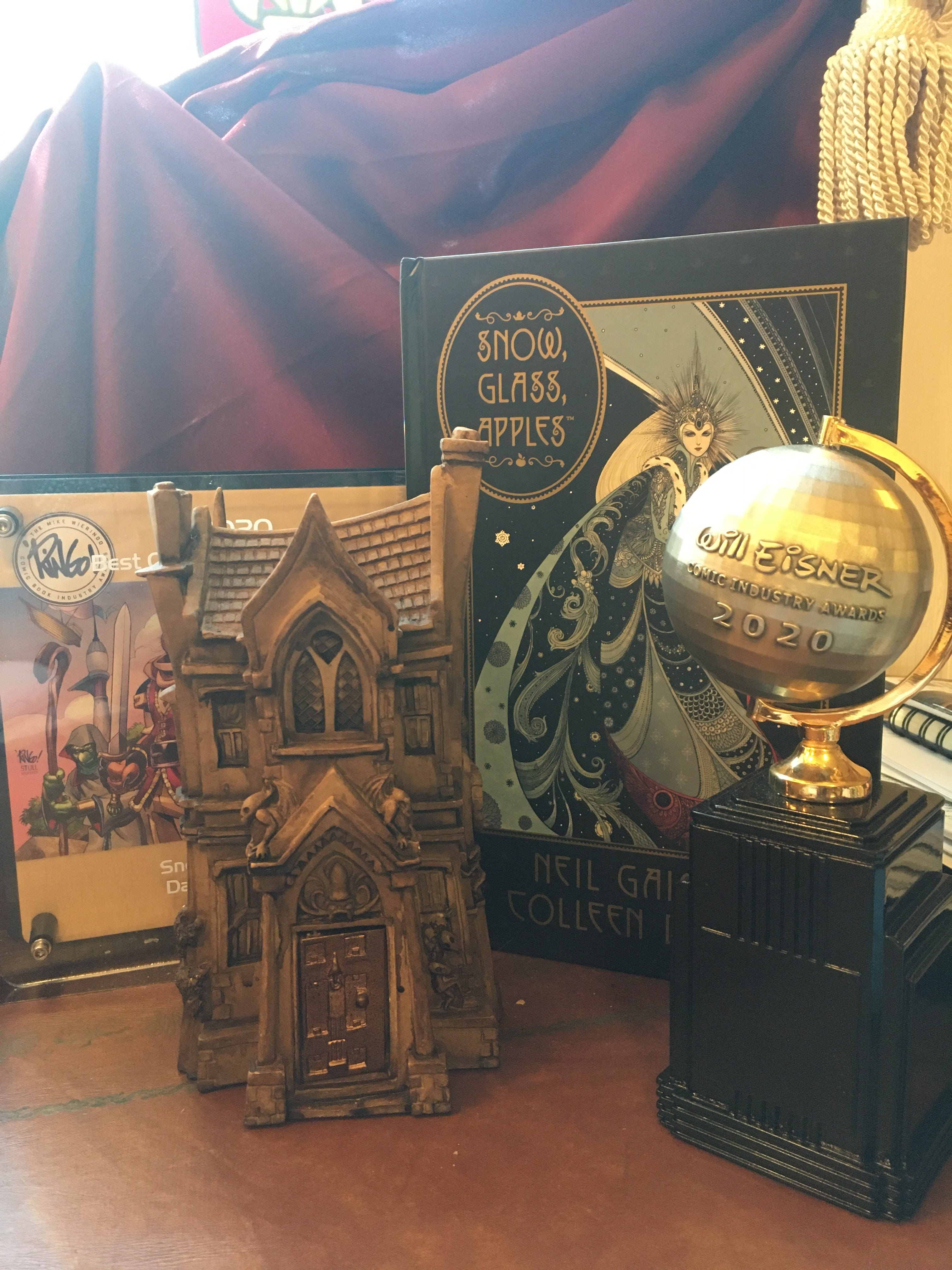
Awards don’t mean much - unless you’ve never had one. Then it feels like a lifeline.
And most people never get that lifeline.
The paradox of art making is that you must do it because you love it, but the professional art life is expensive. If you just want to make art for your own pleasure, you can just doodle in a sketchbook and never show it to anyone. You can paint every weekend, and never enter it in an art show.
But many people aren’t satisfied with that. They want others to see what they do, and they want that effort to be appreciated. And many want to be professionals.
And when they can’t make it work, they give up.
If you have the advantage of having a good day job with a retirement plan, then you can have another go at art when you have the time and the means.
But giving up on the professional art life doesn’t make you a loser.
It’s perfectly normal.
This is a job with no guarantees, no safety net, it’s always been unstable, and it’s getting more unstable.
It’s not just you.
Thing of it this way: what you want is for people to pay you to express yourself.
The entire world is full of people who want to be seen and paid for it.
Almost everyone who goes to Hollywood dreams of being the next Brad Pitt, but almost everyone who goes to Hollywood ends up working tables, ends up working in retail, ends up working in construction.
That doesn’t make you a loser. It means you are a perfectly good, normal person who may or may not have had the talent, but didn’t get the break, and that is hard.
But it’s normal.
A normal life isn’t a loss. It’s a normal life.
It’s a normal life of public service, of being a grocery clerk, of working in health care, of building roads, of making cars, of building houses.
A normal life has value.
Being an artist doesn’t make you special. It’s a working class job. We’re not better than anyone else. We just got the job we really wanted.
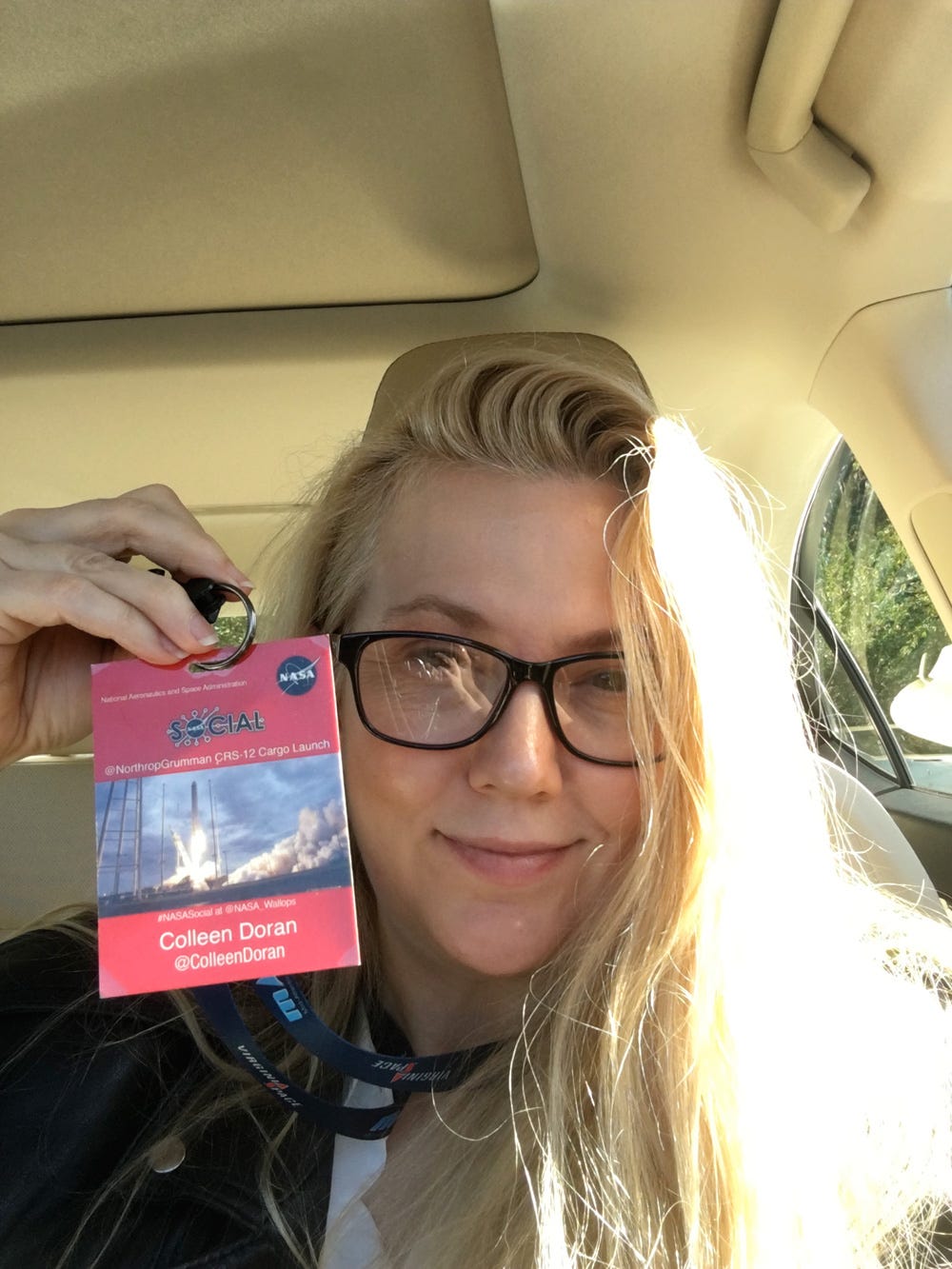
Once upon a time I wanted to be an astronaut.
A funny thing happened on the way to the moon.
There is a sort of disconnect when you see someone's name in print and you know them in real life as just, you know, a person.
Timothy Bradstreet worked in an ADM refinery in Peoria, Illinois while simultaneously producing some fantastic art. He wore a hardhat, took break at the same tables, and once, I'm assuming while bored, drew a sketch on a bathroom stall door that took up most of the door. It was amazing. He didn't have to sign it, we all knew who had that level of skill, and we praised him for it and said things like "Man, what are you doing here?". Jon convinced him to sign it, and Jon swore he was going to somehow take that stall door down and smuggle it out of the plant...not an easy thing to do, as they distilled and bottled name brand liquors there using the alcohol made in the corn plant, so theft was a major concern and we were always subject to search. I hope that stall door did make it out of there, and I hope Jon was able to keep it, maybe display it somewhere some day.
Most people in comics would recognize the name of Tim Bradstreet. I bet they would be surprised to learn he spent his days working in a dangerous ethanol refinery, on the maintenance crew in charge of keeping the bottling lines running and the famous brand alcohol palletized and loaded on barges so it could be shipped out to international waters and brought back as "imported".
In some circles, he was famous. In other circles, he was the guy that drew that really cool marker sketch on the men's bathroom stall door while working as a shlub like the rest of us.
I, also, wanted to be an astronaut until I learned they tend not to take people with crappy vision, no athletic ability, and no ability to fix stuff. I just watch Star Wars and Star Trek instead 😂😂😂